Reclaiming African Food Knowledge as an Act of Liberation
The African Food Studies Center (AFSC) is the first and only educational platform dedicated to exploring African food systems through a multidisciplinary, Afrocentric, and anti-colonial lens. We approach food not just as sustenance, but as a language of culture, care, land, and imagination.
Rooted in African and Black intellectual traditions—and informed by Indigenous ways of knowing—AFSC affirms food knowledge as a powerful force for self-determination, cultural continuity, and educational transformation.
We’re not just preserving the past—we’re cultivating futures.
Shooting
Lorem Ipsum is simply dummy text of the printing and typesetting industry
Video
Lorem Ipsum is simply dummy text of the printing and typesetting industry
Editing
Lorem Ipsum is simply dummy text of the printing and typesetting industry
About
Though AFSC is rooted in African and Black thought, we acknowledge the guiding influence of Indigenous Studies—particularly in their emphasis on land, relationality, and intergenerational knowledge. These affinities strengthen our vision, while our driving force remains unapologetically Pan-African.
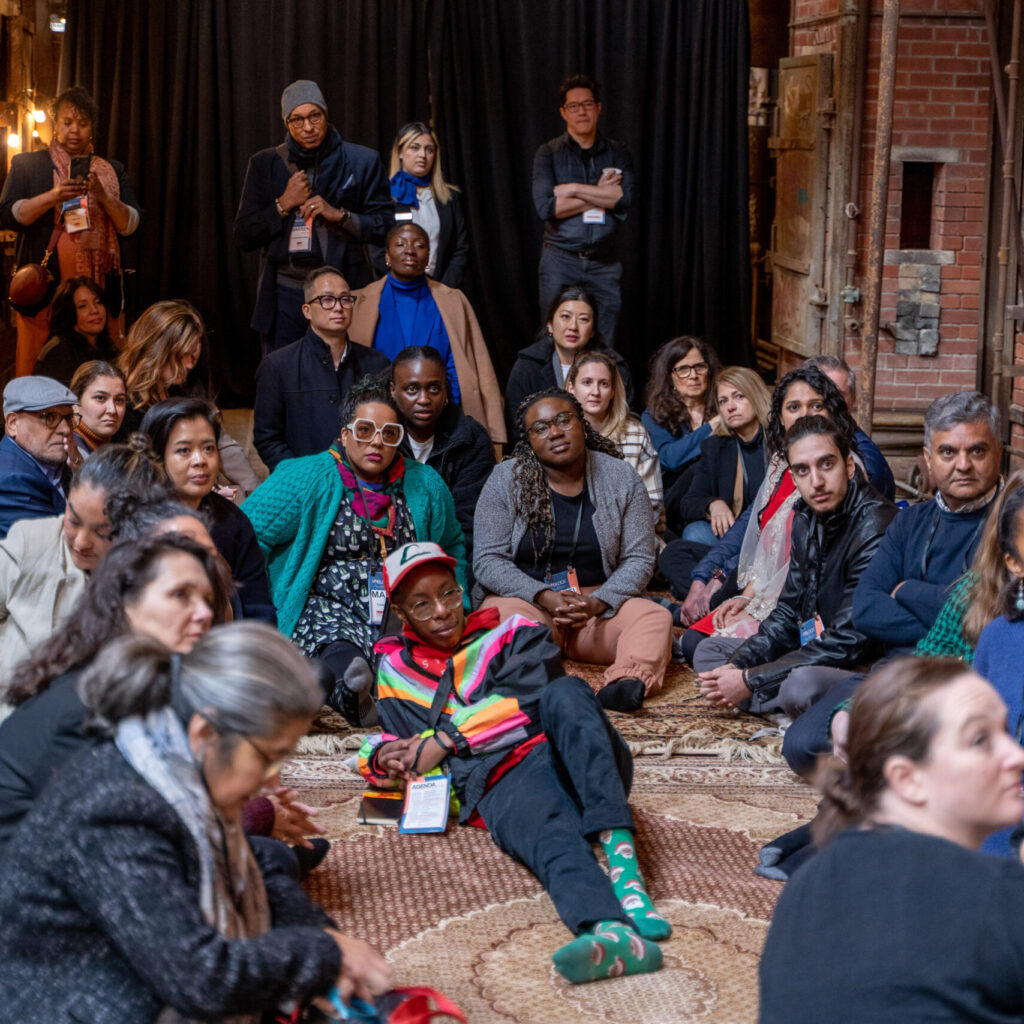
The African Food Studies Center (AFSC) is a pioneering online learning and research space focused on reclaiming African food knowledge. We bring together chefs, farmers, scholars, artists, youth, and Elders to engage in food as a site of intellectual inquiry, cultural creativity, and ecological wisdom.
We are the first initiative in the world to study African food systems through a multidisciplinary, Afrocentric, and justice-oriented framework.
Core areas of focus of our curriculum
- Agroecology & Sustainable Farming
- Culinary Arts & Gastronomy
- Food Science & Technology
- Food Policy & Governance
- Economic Development & Food Entrepreneurship
- History & Philosophy of African Foodways
- Botany & Ethnopharmacology
- Food Justice & Social Movements
- Arts, Media & Food Storytelling
- Urban Food Systems & Community Development
Our Lineage: From Protest to Possibility
AFSC builds on the work of visionary thinkers who reshaped what counts as knowledge and who has the right to produce it.
From the liberatory foundations of Black Studies, African Diasporic Studies, and Caribbean thought, AFSC emerges as part of a lineage that reclaims space for historically excluded voices.
We are especially inspired by:
- W.E.B. Du Bois – Centering Black intellectual life
- Sylvia Wynter – Challenging Western conceptions of the human
- Ngũgĩ wa Thiong’o – Reclaiming language and cultural agency
- Stuart Hall – Framing diaspora as becoming
- bell hooks – Teaching to transgress
- Amílcar Cabral – Culture as the weapon of resistance
In solidarity, we are informed by:
- Leanne Betasamosake Simpson – On land as pedagogy
- Winona LaDuke – On food, sovereignty, and cultural return
AFSC is where Black intellectualism meets land, where food becomes a method of cultural healing, and where imagination drives transformation.
For Educators and Institutions
AFSC welcomes collaborations with educators, scholars, and institutions working to expand how food is understood and taught. Our offerings support curriculum development in:
- Black Studies
- African Studies
- Indigenous Studies
- Food Systems & Environmental Humanities
- Cultural Studies & Arts Education
We provide:
- Co-learning labs
- Certificate programs
- Digital archives
- Afrocentric teaching frameworks
- Customized workshops and panels
AFSC is a partner in building vibrant, interdisciplinary, and future-facing education.
How Afro-Culinary Futurism Impacts the Food on Our Plates
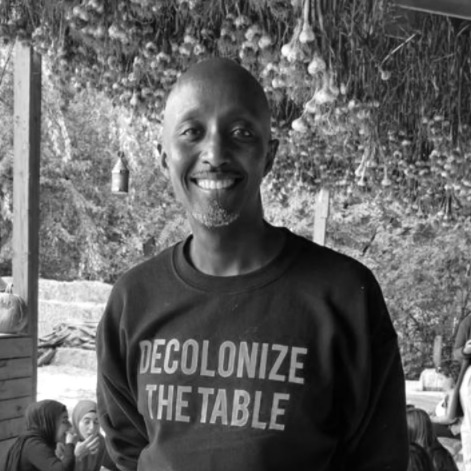
When chef Bashir realizes every plate he serves tells someone else’s story, he sets out to write his own. His quest to “Decolonize the Table” culminates in a communal feast where guests learn to take from the land and give back.
By: Sonja Moorjani
DISCIPLINES
Join the change
Lorem ipsum dolor sit amet, consectetur adipiscing elit, sed do eiusmod tempor incididunt ut labore et dolore magna aliqua. Egestas purus viverra accumsan in nisl nisi. Arcu cursus vitae congue mauris rhoncus aenean vel elit scelerisque. In egestas erat imperdiet sed euismod nisi porta lorem mollis. Morbi tristique senectus et netus. Mattis pellentesque id nibh